What is VHL?
Von Hippel-Lindau disease (VHL) is a rare genetic condition that causes tumors and cysts to grow in different parts of the body. It runs in my family, and it’s a big part of why I do what I do.
This page is for awareness, not medical advice. Always talk to your doctor.
people have VHL
Cleveland Clinicchance a parent with VHL passes it to each child
MD Andersonof people with the gene change develop VHL tumors or cysts by age 65
Cleveland Clinicof people with VHL have no family history of it
Cleveland ClinicVHL, in plain words
Everyone has a VHL gene. Its job is to act like a brake on the signals that tell your body to grow new blood vessels. In people with VHL disease, that brake doesn’t work the way it should.
The brake is on
A working VHL gene keeps “grow more blood vessels” signals in check, so cells only grow what they need.
The brake is off
With VHL, one copy of the gene is changed from birth. When the second copy stops working in a cell, the brake is gone.
Tumors and cysts can grow
Cells act like they’re short on oxygen and build extra blood vessels, which can lead to tumors and cysts in different organs.
Where VHL can show up
VHL is different for everyone, even within the same family. These are the places it most often causes tumors or cysts, and roughly how many people with VHL are affected.
-
Eyes (retina)about 60%Hemangioblastomas
-
Brain (cerebellum)13–72%Hemangioblastomas
-
Spinal cord13–50%Hemangioblastomas
-
Kidneys25–60%Cysts and clear cell kidney cancer
-
Inner ear10–25%Endolymphatic sac tumors
-
Adrenal glands10–20%Pheochromocytomas
-
Pancreas9–17% (tumors)Cysts and neuroendocrine tumors
-
Reproductive organs25–60%Cystadenomas
Ranges from Cleveland Clinic. Yellow bars show the reported range of people with VHL affected.
My dad had it.
My brother has it.
I thought it skipped me.
(It didn’t.)
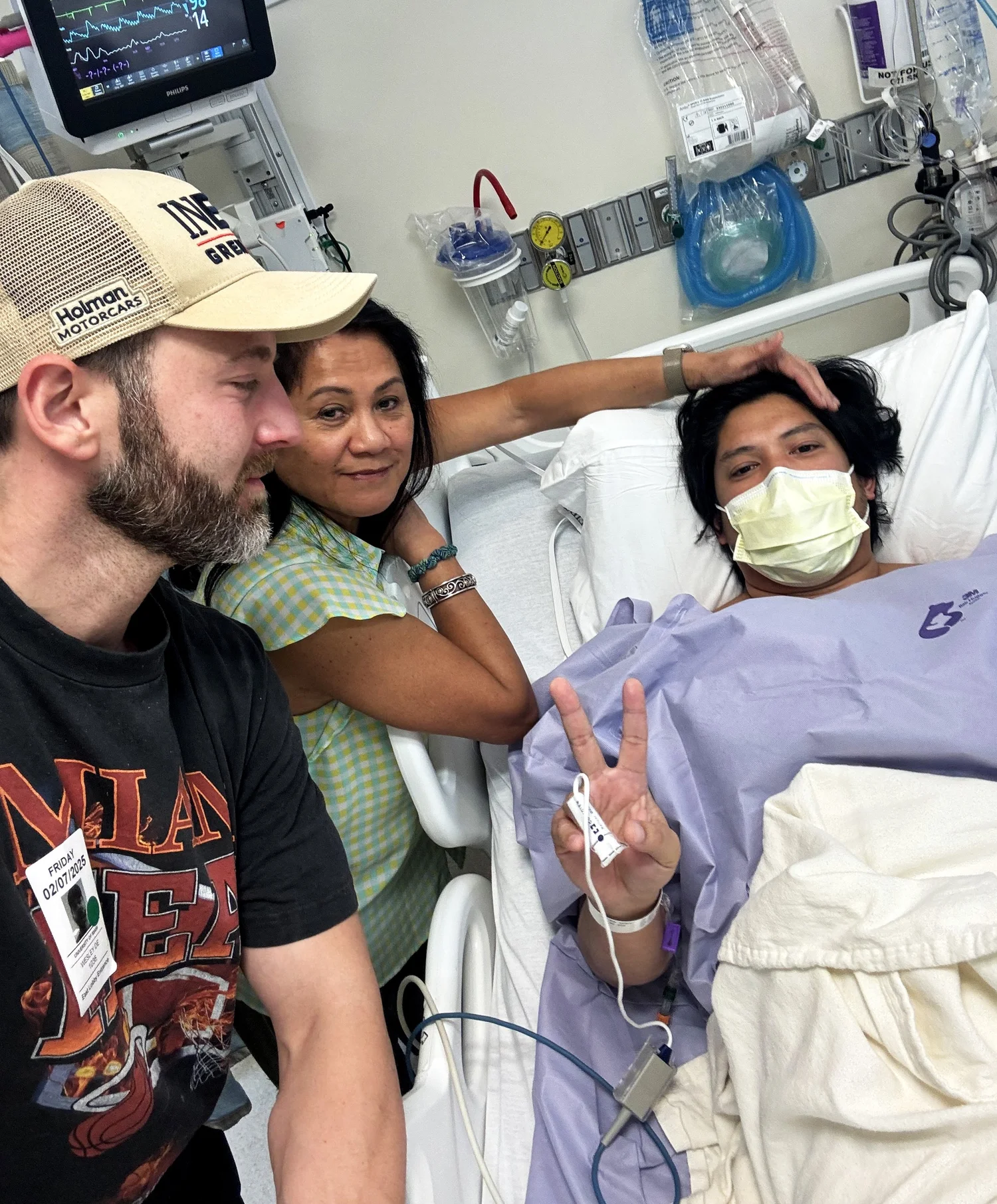
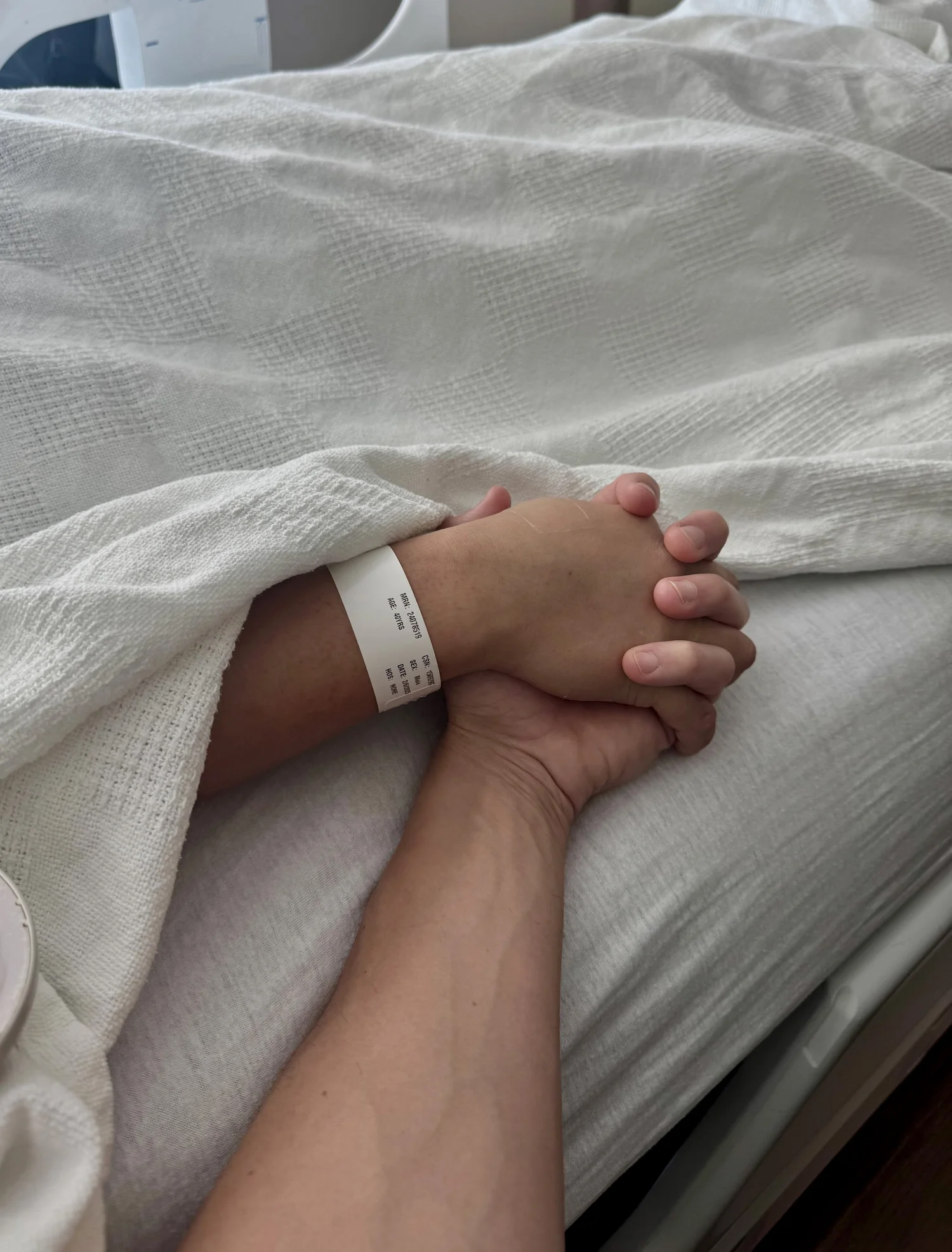
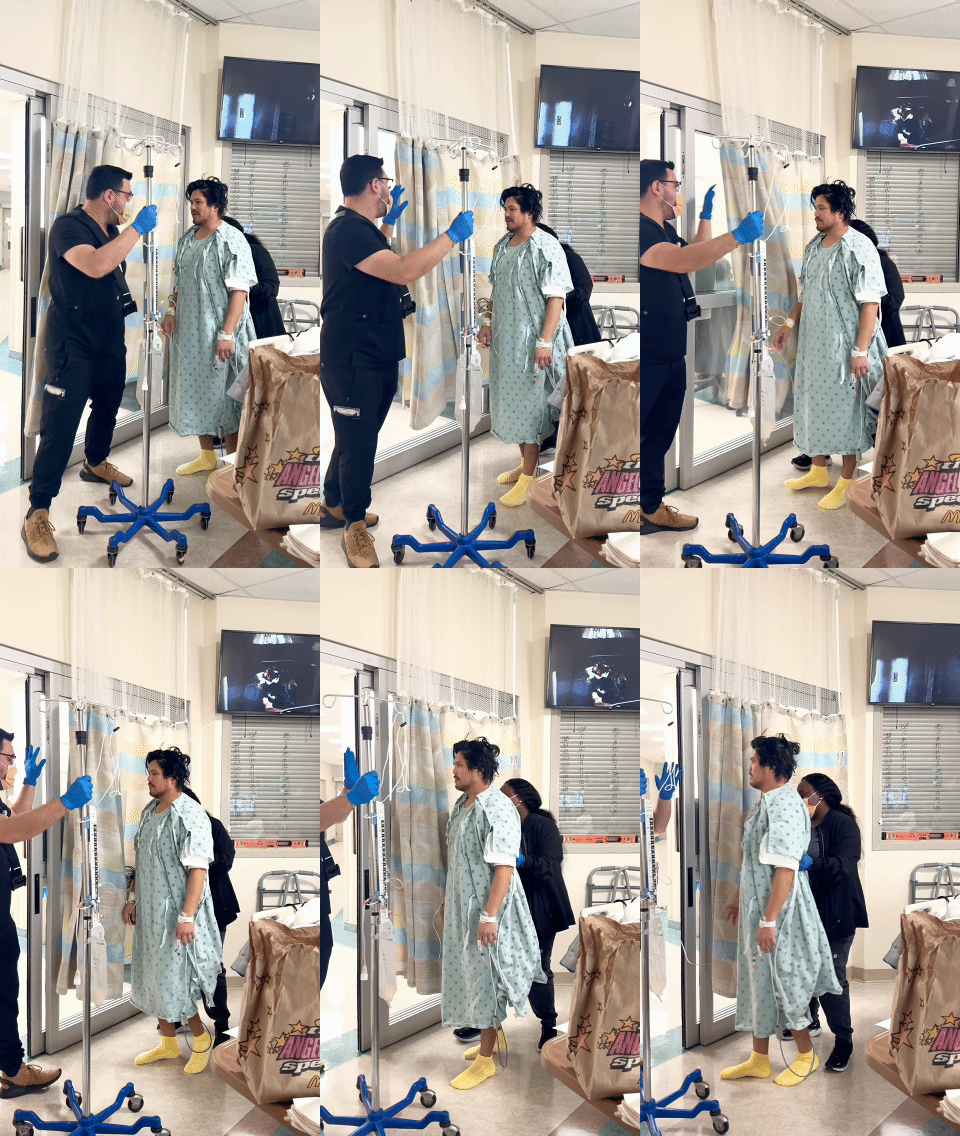
Within 100 days in 2025, VHL took me from a normal life to an emergency brain surgery, a cancer diagnosis in both kidneys, and a kidney surgery.
-
Emergency brain surgery
Two tumors were blocking the flow of my cerebrospinal fluid. Removing them saved my life.
Dr. Ricardo Komotar, Co-Director, Surgical Neuro-Oncology, Sylvester Brain Tumor Institute -
A second diagnosis
Bilateral clear cell renal cell carcinoma: cancer in both of my kidneys.
-
Partial nephrectomy
15% of my right kidney was removed. There’s no more cancer in my right kidney.
Dr. Chad Ritch, now at Cleveland Clinic Weston -
Today
A tumor about the size of a tennis ball remains in my left kidney. I’m in a clinical trial for casdatifan (AB521), an investigational drug that targets HIF-2α, the same growth signal VHL leaves unchecked.
Dr. Jaime Merchan and the team at Sylvester Comprehensive Cancer Center
If it runs in your family, don’t wait.
I thought VHL skipped me. Most people with VHL start having symptoms in their mid-20s, and early detection changes outcomes. Regular checkups can catch tumors while they’re small and easier to treat.
- Ask about genetic testing.It’s the only way to confirm VHL.
- Keep up with regular screening.Usually eye exams, brain and spine MRIs, abdominal MRIs, and blood or urine tests, on a schedule your care team sets.
- Start early for kids.Retinal tumors can appear as early as age 1, so eye exams start in early childhood.
- Find a VHL care center.Teams that see a lot of VHL know what to look for.
Learn from the experts
I’m not a doctor. These are the sources I trust, with one thing worth knowing from each.
Cleveland Clinic
VHL affects about 1 in 36,000 people. If a parent has the gene change, each child has a 50% chance of inheriting it, and genetic testing is the only way to confirm it.
Read the full article → Screening and supportVHL Alliance
VHL looks different in every person, so lifelong checkups matter, starting with dilated eye exams in early childhood. The Alliance also keeps a list of VHL clinical care centers.
Read the full article → The scienceEuropean Journal of Human Genetics
A clinical and scientific review (Maher, Neumann & Richard, 2011) on how the VHL gene controls HIF growth signals, and why early diagnosis through surveillance improves outcomes.
Read the full article → Treatment and careMD Anderson Cancer Center
How VHL is diagnosed and treated, from eye tumors that can appear as early as age 1 to kidney cancer in about 40% of patients, plus its dedicated VHL clinic.
Read the full article →This page shares my experience and general information for awareness. It isn’t medical advice. Talk to your doctor about your own health.